Automation is often associated with large manufacturing plants and high-volume production, but a recent article in Gear Technology by John Meyer highlights how new developments are making robotics increasingly accessible to smaller machine and gear shops.
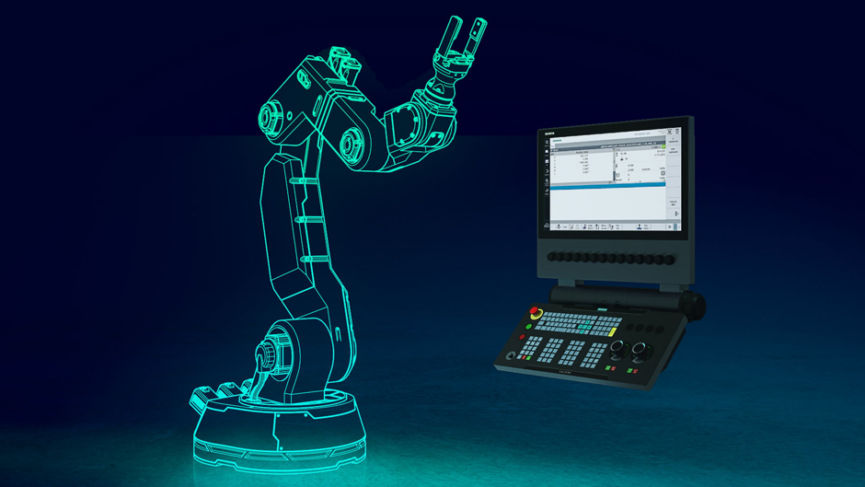
The article looks at a partnership between Siemens, KUKA and machine-tool manufacturer SYIL, which has developed an integrated robotic machine-tending system specifically aimed at small and mid-sized manufacturers. The system combines a KUKA robot with Siemens’ Sinumerik 828D CNC control, allowing both the machine tool and robot to be operated from a single screen.
For smaller shops, this is significant because traditional robotic automation has often involved considerable investment, specialist programming knowledge and a separate robot control system. The new approach removes much of this complexity. Operators can use familiar CNC controls to program, operate and diagnose the robot, reducing the learning curve and making automation much easier to introduce.
The system is designed to automate repetitive loading and unloading operations, freeing skilled operators to concentrate on more valuable tasks. It can also enable machines to operate unattended for extended periods, potentially adding a second or third shift without requiring additional operators. Gear Technology reports that a complete package costing around $60,000 US/ $84,000 AUS could potentially achieve a payback of a year or less, although actual results will depend on individual applications.
For smaller gear manufacturers, this could be particularly valuable. Gear production often involves high-mix, lower-volume work, where flexibility is just as important as outright production speed. Systems such as this can provide a practical route towards automation without requiring a major factory-wide investment.
As labour shortages and the need for greater productivity continue to affect manufacturers, accessible automation could therefore help smaller gear shops remain competitive, improve consistency and make better use of their skilled workforce. Read the full article here.