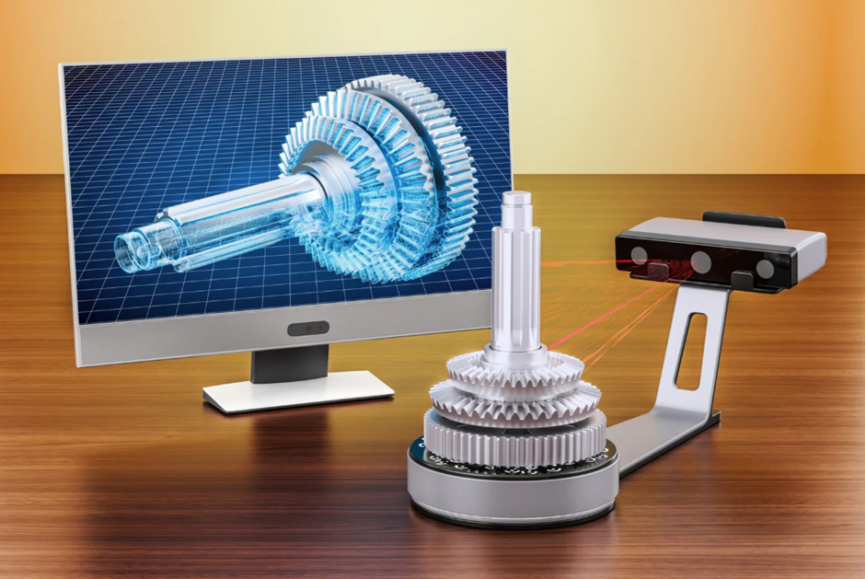
In gear manufacturing, precision has always been critical. Even the smallest flaw can lead to noise, wear, or failure. What’s changed is how that precision is achieved. Modern CAD (Computer-Aided Design) and CAM (Computer-Aided Manufacturing) systems are turning what was once a fragmented process into a seamless digital workflow reports author, Neha Basudkar Ghate in gear technology India.
With CAD, engineers create detailed 2D and 3D gear models that are mathematically exact. Designs can be tested, adjusted, and refined quickly, reducing the need for physical prototypes and shortening development time. These digital models then feed directly into CAM software, which generates the instructions for CNC machines. This removes much of the manual interpretation between design and production, improving both accuracy and consistency.
Simulation plays a key role as well. Manufacturers can test the entire machining process virtually before any material is cut, catching issues early and avoiding costly mistakes. At the same time, real-time monitoring during production helps ensure each gear meets strict quality standards.
These advances also make it easier to produce more complex gear designs, allowing engineers to focus on performance rather than manufacturing constraints.
In practical terms, the benefits come down to:
- A direct link between design and production
- Higher precision and repeatability
- Less waste and fewer errors
- Faster production at lower cost
Together, CAD and CAM are creating a more efficient, reliable, and flexible approach to gear manufacturing—where digital design flows smoothly into physical production. Follow the link here for more detail on the latest impact on gear manufacturing.